
Can Stem Cell Therapy Help With Paresthesia?
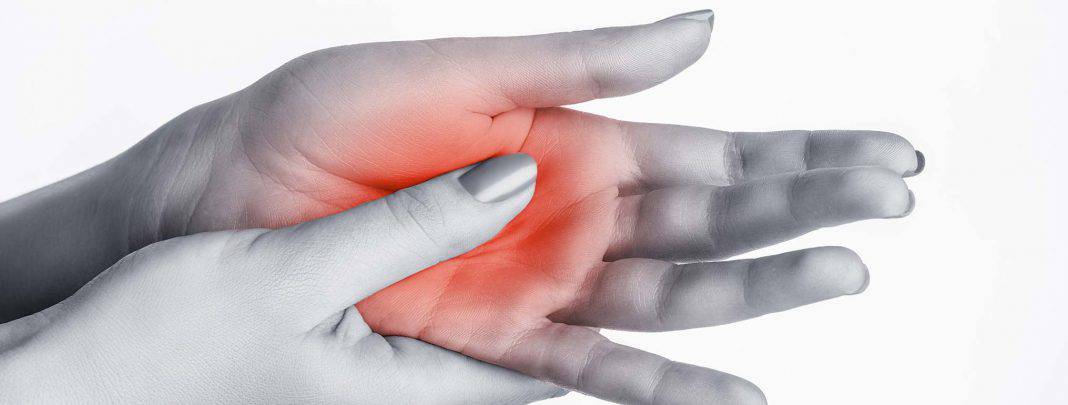
Unusual sensations such as tingling, numbness, burning, or muscle weakness are often described as paresthesia. These sensations commonly affect the hands, feet, arms, or legs and may be temporary or persistent, depending on the underlying cause. The National Institute of Neurological Disorders and Stroke describes paresthesia as a burning, itching, tingling, or prickling sensation that is usually felt in the hands, arms, legs, or feet.
For some people, paresthesia is temporary, such as when pressure is placed on a nerve for too long. For others, it may be associated with an underlying neurological or nerve-related condition and may require medical evaluation. At Dynamic Stem Cell Therapy, we offer regenerative medicine consultations for individuals who want to learn more about stem cell-based approaches and whether they may be appropriate to discuss based on their condition and goals.
What Is Paresthesia?
Paresthesia refers to abnormal sensations in the skin or limbs that occur without an obvious external cause. These sensations may include:
- Tingling or a “pins and needles” feeling
- Numbness
- Burning or prickling
- Weakness in the affected area
Paresthesia may be associated with a wide range of conditions. Common causes can include:
- Nerve injury
- Diabetes-related nerve damage
- Multiple sclerosis
- Peripheral neuropathy
- Compression or irritation of nerves
Peripheral neuropathy, for example, refers to conditions involving damage to the peripheral nervous system.
Common Symptoms of Paresthesia
Symptoms can vary depending on the underlying cause and the nerves involved. Some common symptoms include:
- Tingling in the hands, feet, arms, or legs
- Numbness in the affected area
- Muscle weakness
- Burning or discomfort
- Difficulty moving or using the affected limb normally
These symptoms may occur when the nerves that carry signals between the brain, spinal cord, and body are irritated, compressed, inflamed, or damaged.
Stem Cell Therapy and Nerve-Related Conditions
Stem cells are of interest in regenerative medicine because researchers are studying how they may interact with tissue-related processes, inflammation, and cellular signaling. Mesenchymal stem cells, often called MSCs, are among the most commonly discussed cell types in regenerative medicine research and may be obtained from sources such as bone marrow or adipose tissue.
Some research has explored whether stem cells may have the potential to influence nerve-related biological processes. However, stem cell therapy for paresthesia, peripheral neuropathy, multiple sclerosis, and many other neurological conditions remains investigational. The FDA specifically states that regenerative medicine therapies have not been approved for neurological disorders such as multiple sclerosis, ALS, Alzheimer’s disease, Parkinson’s disease, epilepsy, or stroke.
How Stem Cell Therapy Is Discussed in Regenerative Medicine
In regenerative medicine, stem cell-based approaches are often discussed for how they may:
- Influence inflammation
- Support tissue-related biological processes
- Interact with cellular signaling
- Be studied in nerve-related and musculoskeletal conditions
Researchers continue to study these therapies, but results vary, and clinical outcomes have not been fully established for most neurologic and orthopedic uses. Some recent reviews note interest in stem cells for peripheral nerve injury and diabetic neuropathy, but also emphasize that the evidence is still developing.

Understanding the Stem Cell Therapy Process
When stem cell therapy is discussed in a regenerative medicine setting, the process generally includes:
Consultation
A provider reviews the patient’s symptoms, medical history, prior treatment experience, and diagnostic findings.
Cell Collection
Depending on the treatment plan, cells may be collected from bone marrow or adipose tissue.
Processing
The collected material is processed according to the provider’s protocol.
Injection or Application
The prepared material may then be introduced into the targeted area, depending on the condition and treatment approach.
Protocols vary from clinic to clinic, and not all approaches are appropriate for every patient.
Types of Stem Cells Commonly Discussed
Mesenchymal Stem Cells (MSCs)
MSCs are often discussed in regenerative medicine because they are being studied for their role in inflammation and tissue-related processes.
Induced Pluripotent Stem Cells (iPSCs)
These are lab-created cells made by reprogramming adult cells. They are primarily used in research settings.
Pluripotent Stem Cells
These cells can develop into many different cell types, but their clinical use raises important safety and ethical concerns and remains highly regulated.
What the Research Says
There is ongoing interest in stem cells for nerve-related conditions such as diabetic neuropathy, peripheral neuropathy, and multiple sclerosis. Some studies have reported promising findings, but the evidence remains incomplete and is still evolving. Reviews of the literature suggest that stem cell-based therapies may warrant further study, but they are not established standard treatment for paresthesia or most neurologic disorders.
Because of this, it is important not to describe stem cell therapy as a proven or FDA-approved treatment for paresthesia.
Orthopedic Uses Often Discussed With Stem Cell Therapy
In addition to nerve-related concerns, stem cell therapy is often marketed for orthopedic conditions involving the knee, shoulder, hip, foot, and ankle. However, the FDA states that regenerative medicine therapies have not been approved for orthopedic conditions such as osteoarthritis, tendonitis, disc disease, tennis elbow, back pain, hip pain, knee pain, neck pain, or shoulder pain.
That means these uses should be described carefully and not as established treatments.

Potential Reasons Patients Ask About Stem Cell Therapy
Some patients ask about stem cell therapy because they are looking for:
- Options beyond symptom management alone
- A non-surgical approach to discuss with a provider
- Treatments being studied in regenerative medicine
- Alternatives when conventional treatment has not provided the response they hoped for
Still, patient selection matters, and no outcome can be guaranteed.
Final Thoughts
If you are dealing with persistent paresthesia, nerve-related symptoms, or chronic pain, the first step is a proper medical evaluation to identify the underlying cause. Stem cell therapy is being studied in regenerative medicine for many conditions, but it is not currently an FDA-approved treatment for paresthesia, peripheral neuropathy, multiple sclerosis, or most orthopedic conditions.
A qualified healthcare provider can help you understand your diagnosis, available treatment options, and whether a regenerative medicine consultation may be appropriate.
Stem cell therapy is not currently approved by the U.S. Food and Drug Administration (FDA) for paresthesia, peripheral neuropathy, multiple sclerosis, knee pain, shoulder pain, hip pain, foot and ankle conditions, or many other neurologic and orthopedic applications discussed in regenerative medicine marketing, except for limited approved uses such as certain blood-forming stem cell products for disorders affecting the hematopoietic system. Many applications are considered investigational, and clinical outcomes have not been fully established.
Why Choose Dynamic Stem Cell Therapy?
At Dynamic Stem Cell Therapy, we offer regenerative medicine consultations for individuals who want to learn more about stem cell-based approaches for nerve-related symptoms, orthopedic concerns, and other conditions commonly discussed in regenerative medicine.
Schedule a consultation with Dynamic Stem Cell Therapy to review your symptoms, ask questions, and determine whether a regenerative medicine approach may be appropriate to discuss based on your needs and goals.
Common Questions About Stem Cell Therapy
Is stem cell therapy safe?
As with any medical procedure, risks may exist. The FDA has warned that unapproved regenerative medicine products have been associated with serious adverse events, including infections, tumor formation, and other harms. Patients should consult a qualified healthcare provider and discuss evidence, risks, and alternatives before pursuing treatment.
How many treatments are needed?
The number of treatments depends on the condition, the protocol, and the patient’s response. A provider can help determine whether any follow-up treatment may be appropriate.
What is recovery like?
Some patients report temporary soreness or discomfort after injection-based procedures. Recovery timelines vary.
Does insurance cover stem cell therapy for paresthesia?
Coverage varies, and many regenerative medicine treatments are not covered because they may be considered investigational.
Does age matter?
Age, overall health, severity of nerve damage, and diagnosis may all influence how a patient responds to treatment.