
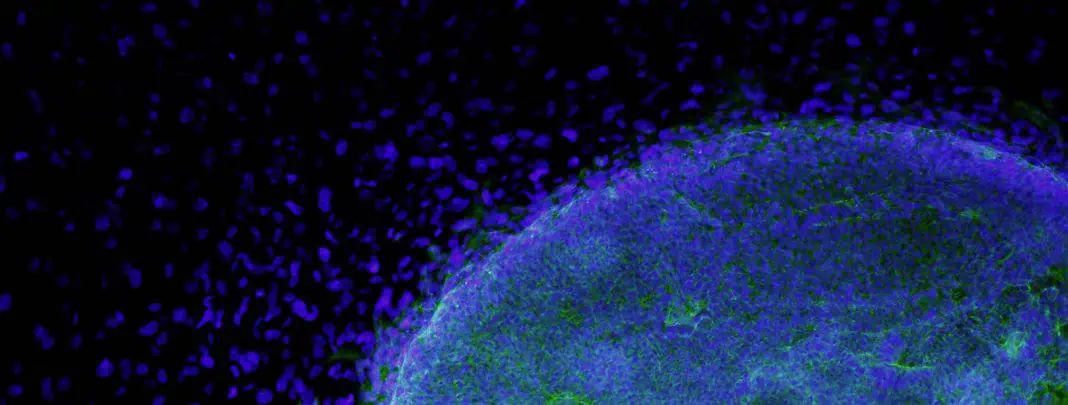
One of the first questions many patients ask when they begin learning about stem cell therapy is: What are the different types of regenerative cells?
It can be surprisingly difficult to find a clear answer. The terminology can be confusing, and different sources often use different language. This guide breaks down the most commonly discussed cell types in regenerative medicine and explains how they are generally categorized.
Understanding Cellular Therapy
Cellular therapy involves the use of living cells in an effort to help treat or manage certain diseases and conditions. These cells may come from a patient’s own body, a donor source, or laboratory-based processes, depending on the treatment approach.
In medicine and research, cell-based therapies are being studied for several possible purposes, including:
- Supporting tissue-related processes
- Influencing immune responses
- Replacing or supplementing certain cell functions
- Delivering therapeutic effects in targeted ways
Not all cellular therapies are the same, and the type of cells used can make a major difference in how a treatment is designed.
Not All Regenerative Cells Are the Same
There is a common misconception that all regenerative cells are basically identical. That is not the case.
Different cell types vary in:
- where they come from,
- how flexible they are,
- what kinds of tissues they may become,
- and how they are commonly used in medicine or research.
For example, cells derived from adipose tissue are collected differently from cells obtained from bone marrow. These differences matter when discussing possible treatment approaches.
Because each condition is different, the most appropriate type of cell, if any, depends on the individual situation and the provider’s clinical judgment.
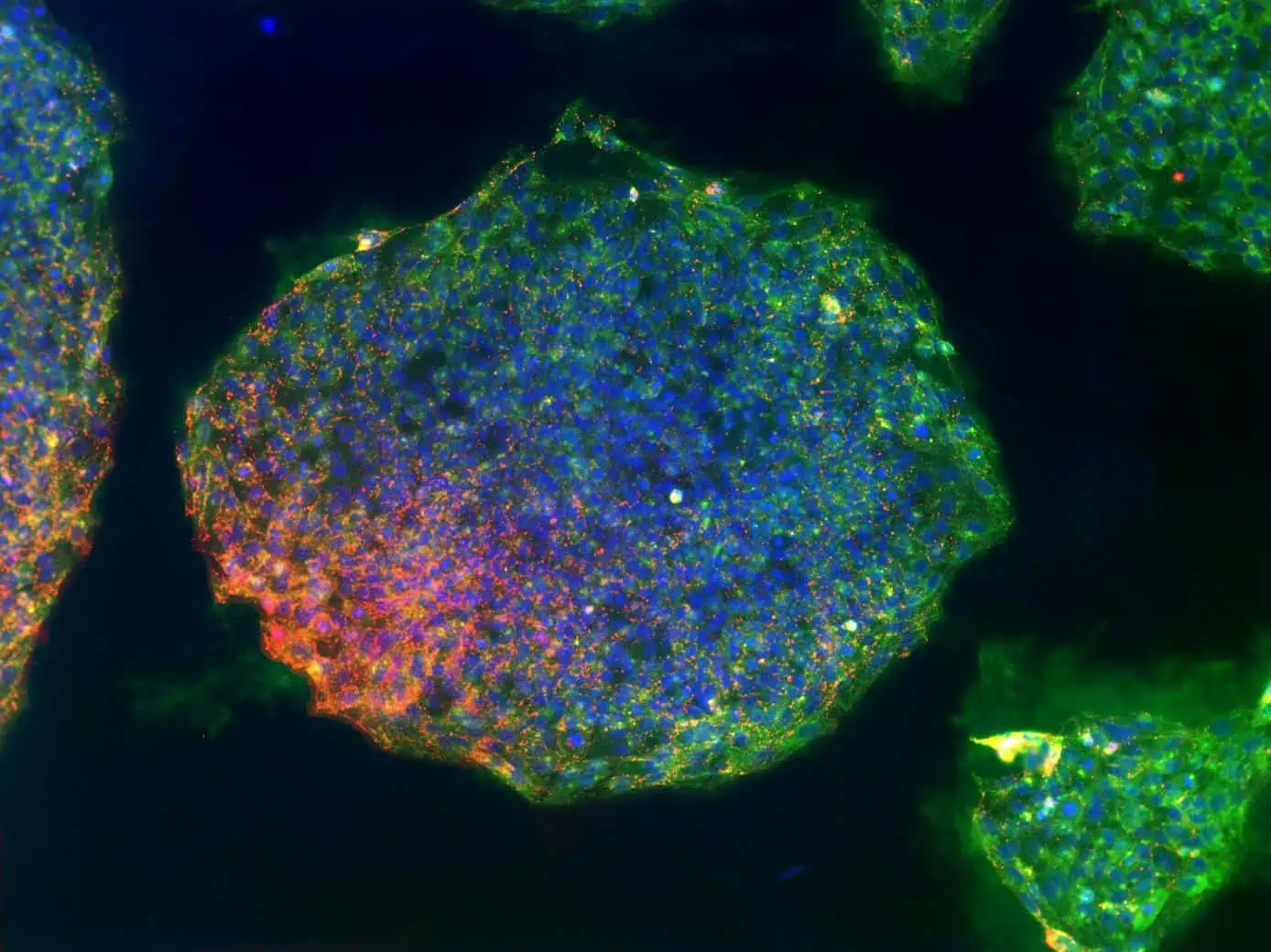
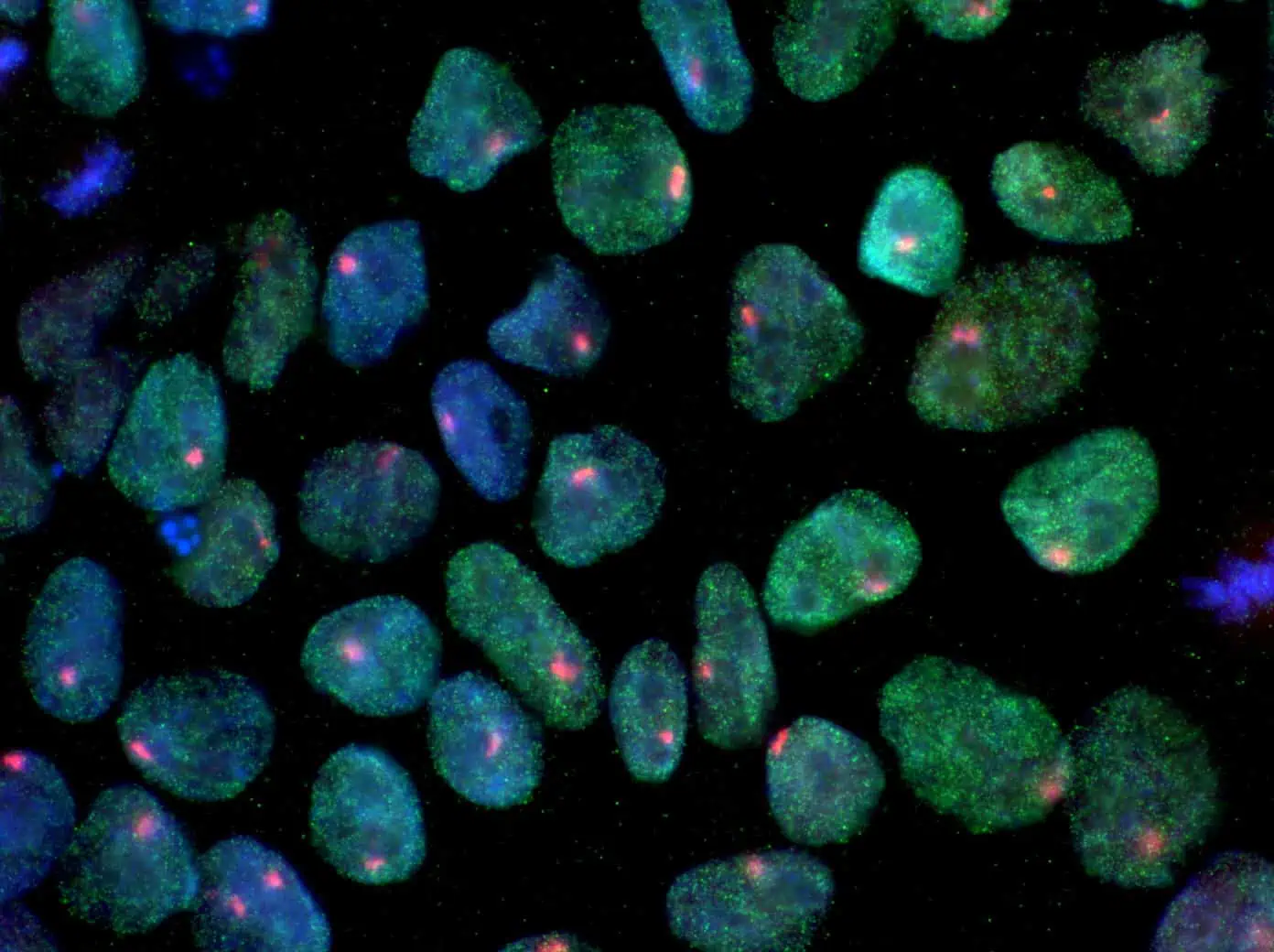
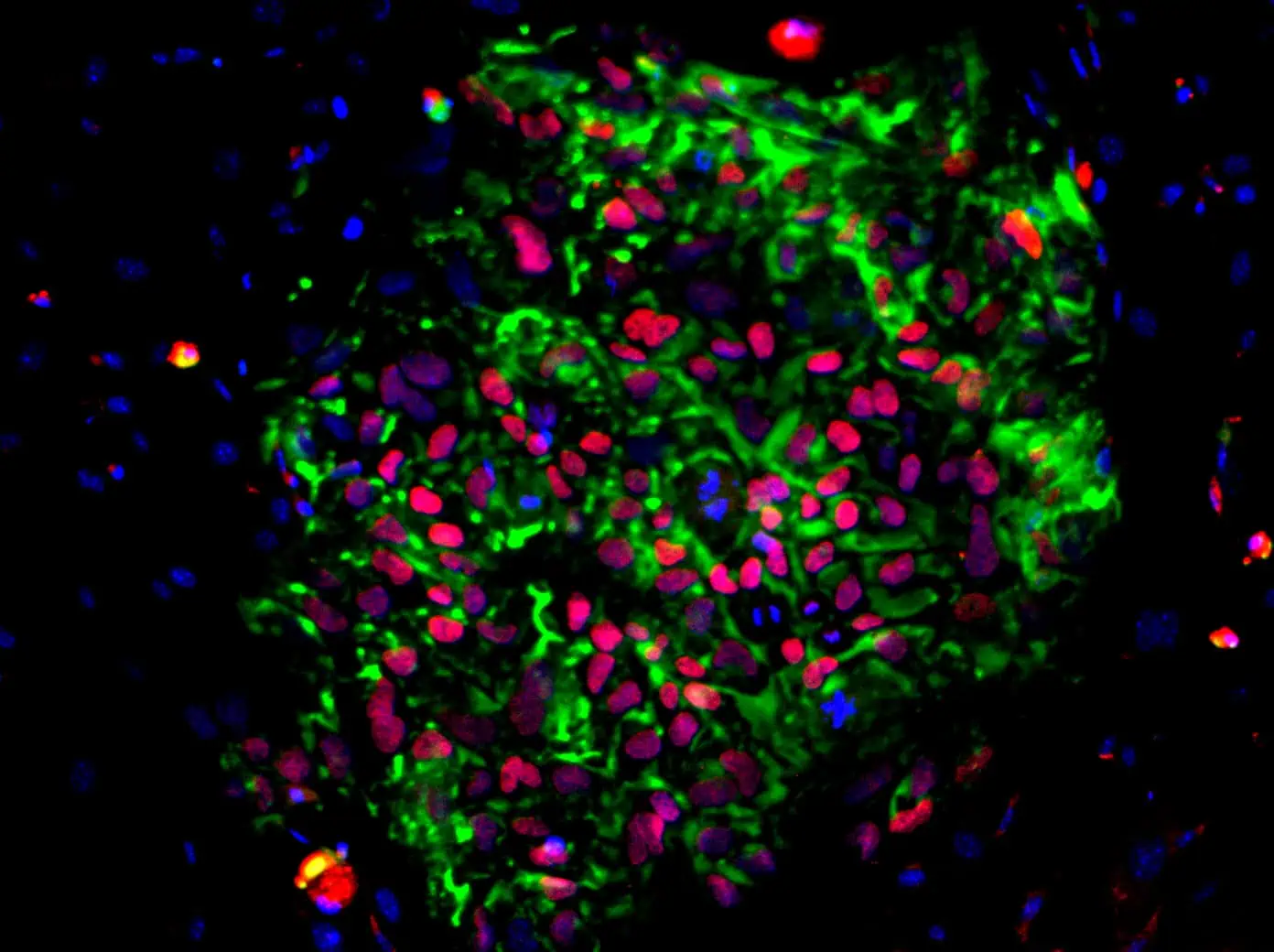
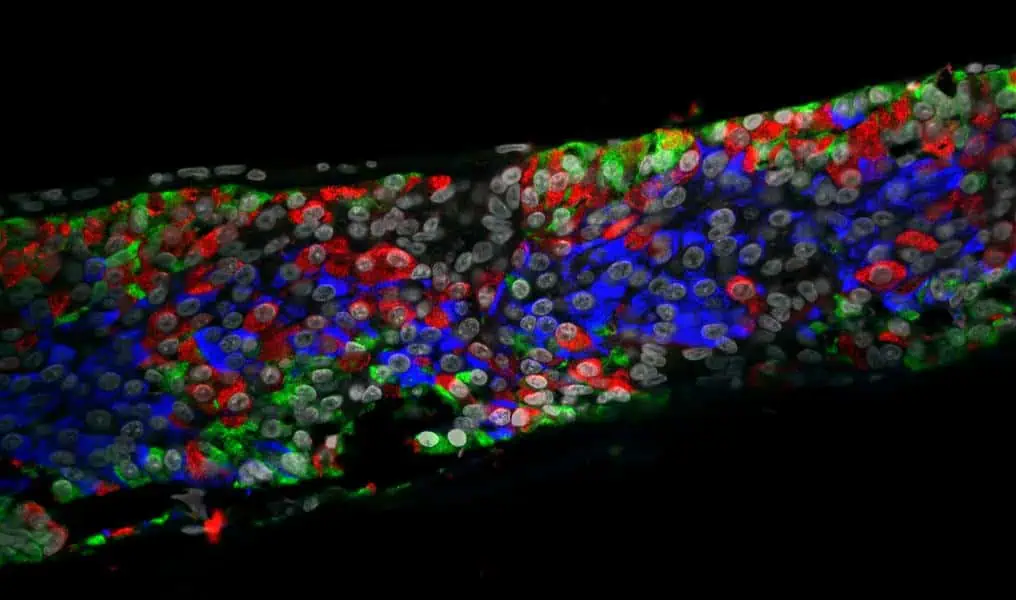
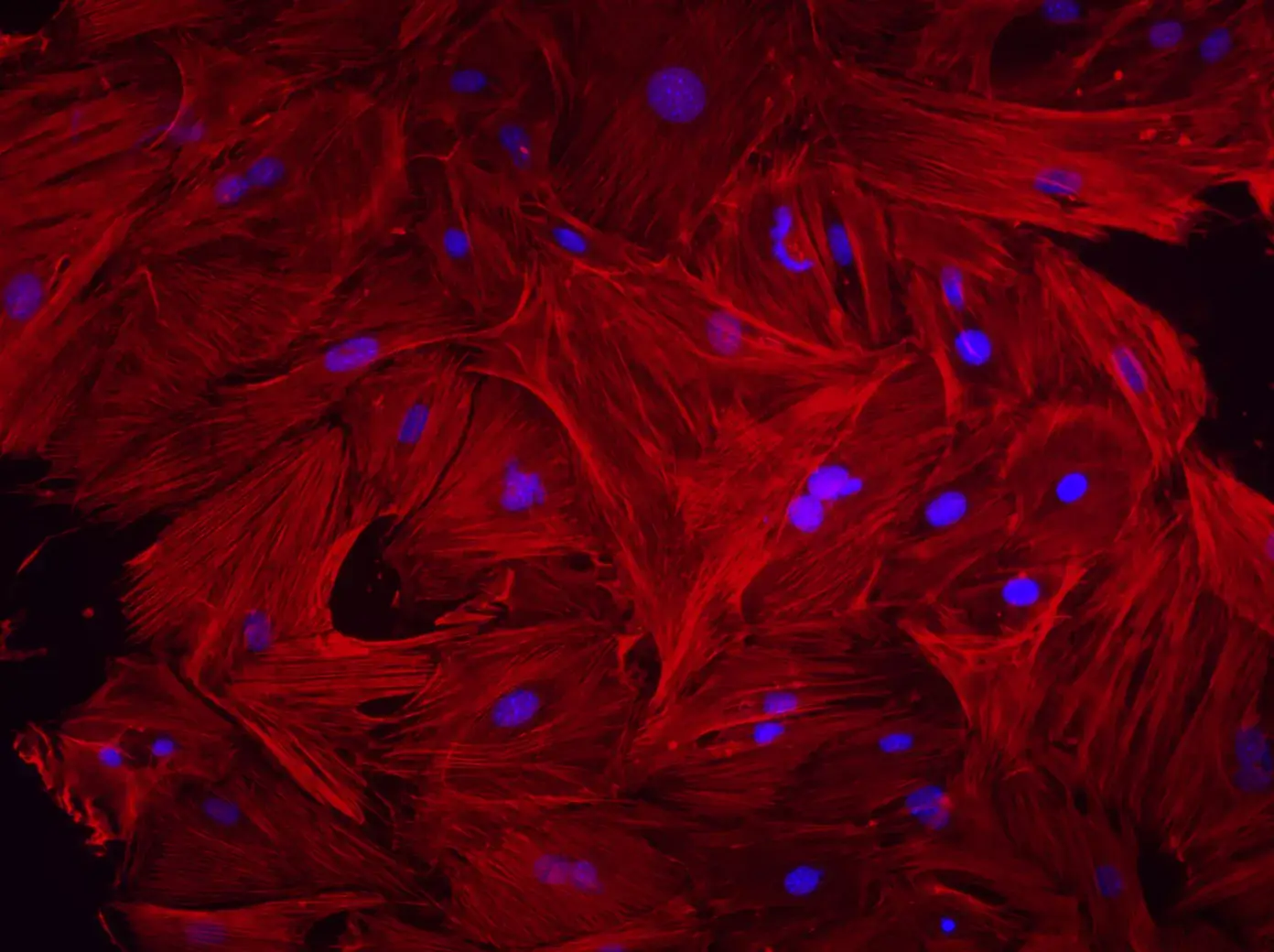
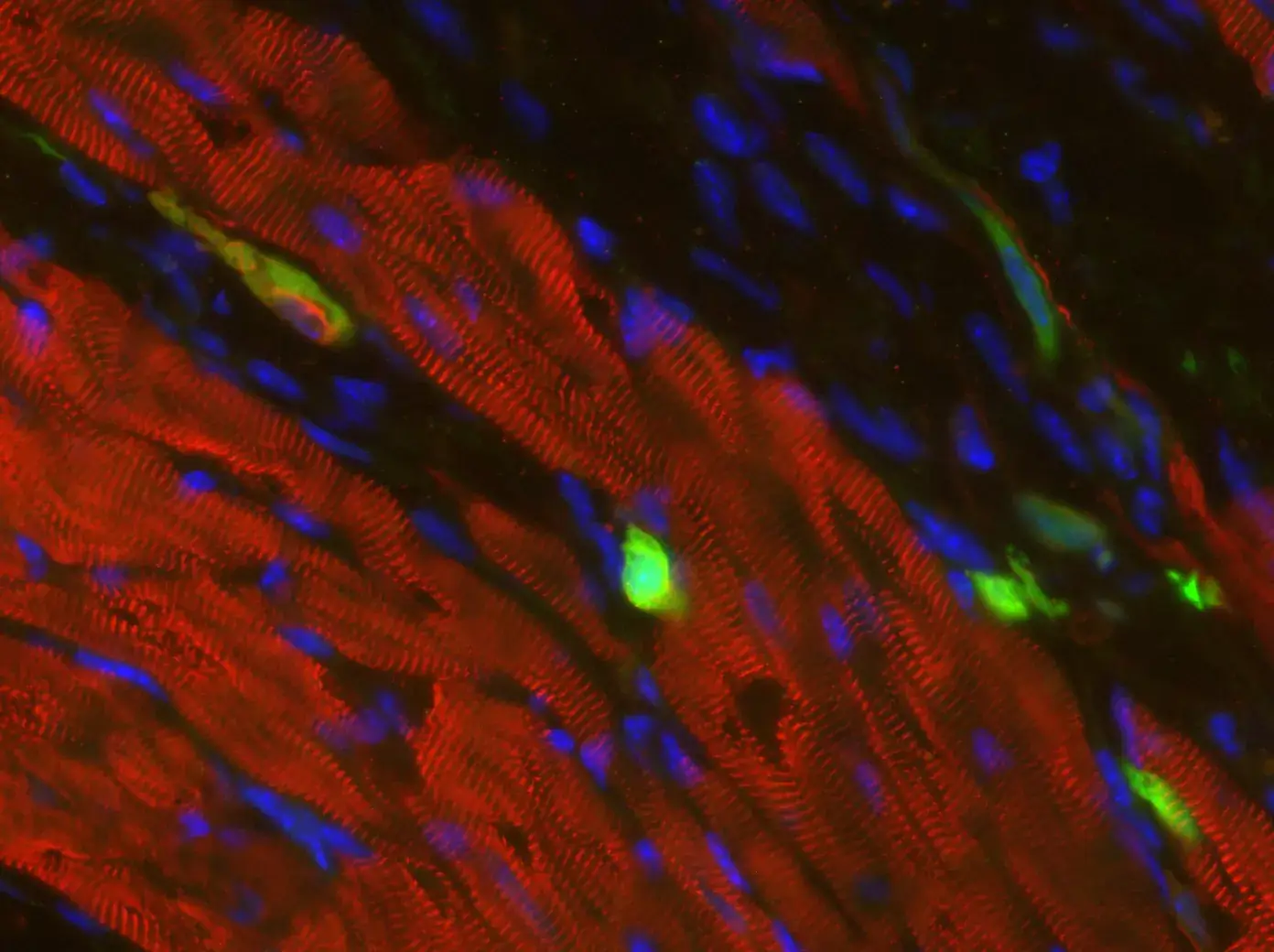
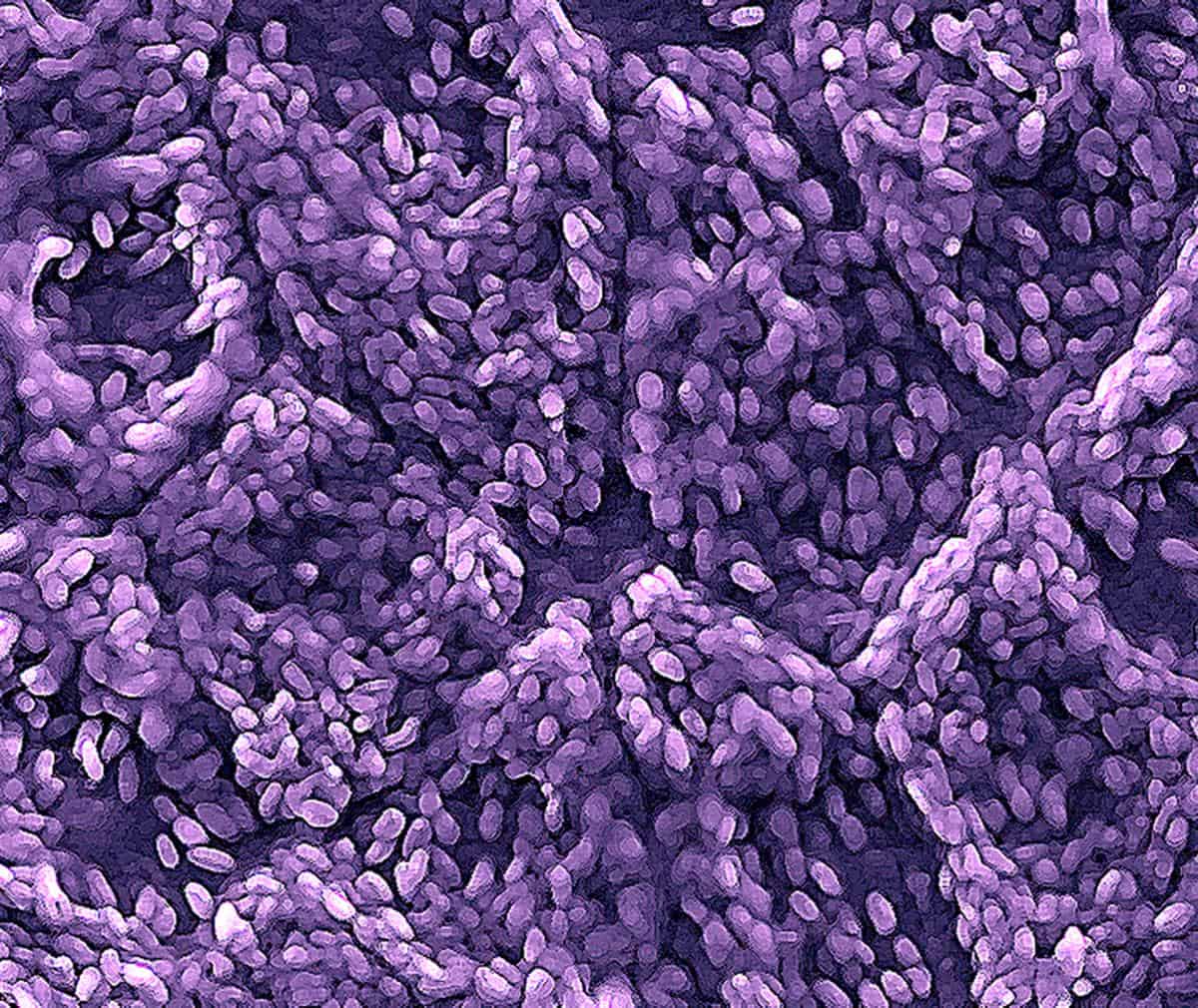

How Regenerative Cells Are Commonly Classified
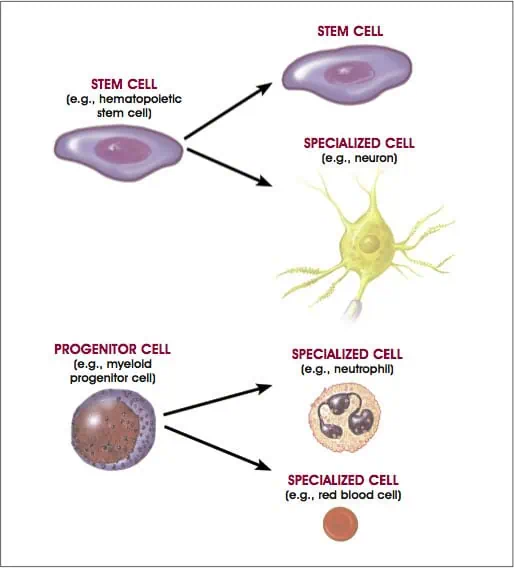
One of the main ways cells are classified is by differentiation potential, which refers to how many different types of cells they may become.
Multipotent Cells
Multipotent cells can develop into several related types of cells within a certain category of tissue.
These cells are often discussed in regenerative medicine because they may be involved in tissue-related biological processes. Researchers continue to study their potential applications in a variety of areas.
Adult Cells
Adult stem cells are found in developed tissues in juveniles and adults. They are generally considered more limited than embryonic cells, but they are still important in both research and clinical medicine.
What they are:
Undifferentiated cells with the ability to become certain specialized cell types.
Where they come from:
Various tissues in children and adults.
How they are discussed:
They are commonly studied in tissue-related and blood-related applications.
Medicinal Signaling Cells (MSCs)
The term “medicinal signaling cells” is often used in regenerative medicine to describe mesenchymal stem cells or related adult cell populations. These cells are of interest because of how they may interact with inflammation, tissue response, and immune signaling.
What they are:
A type of adult multipotent cell commonly discussed in regenerative medicine.
Where they come from:
Bone marrow, adipose tissue, cord tissue, cord blood, amniotic fluid, skin, and other tissues depending on the source and protocol.
How they are discussed:
They are often studied in musculoskeletal, inflammatory, and immune-related settings.
Adipose-Derived Cells
Adipose-derived cells come from fat tissue and are often discussed because they can be collected through relatively simple procedures.
What they are:
A type of mesenchymal cell often used in regenerative medicine discussions.
Where they come from:
Adipose (fat) tissue, often from the abdomen.
How they are discussed:
They are commonly used in regenerative medicine settings because they are accessible and widely studied.
Cord Blood Cells
Cord blood cells are collected from umbilical cord blood after birth and are best known for their use in blood-related and immune-related medical settings.
What they are:
A type of blood-forming and multipotent cell source.
Where they come from:
Umbilical cord blood collected after delivery.
How they are discussed:
They are commonly associated with certain blood-related disorders and transplant-related uses.
Pluripotent Cells
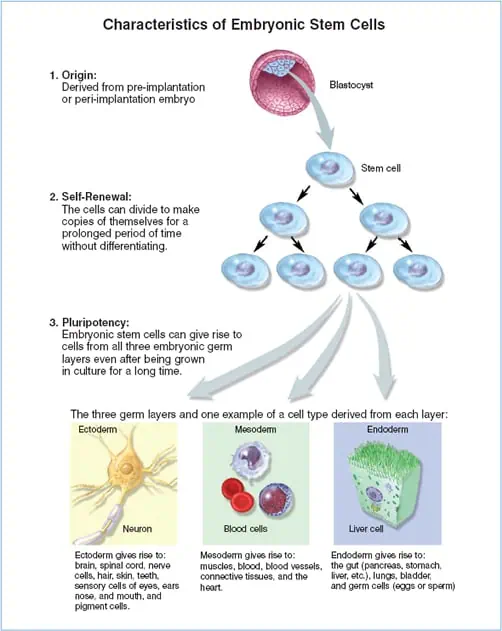
Pluripotent cells can become many different types of cells in the human body. Because of this, they are powerful in theory, but they also raise important safety, regulatory, and ethical considerations.
Embryonic Cells
Embryonic stem cells are pluripotent and are capable of becoming many different cell types.
What they are:
Cells derived from early-stage embryos.
Why they are discussed carefully:
They raise ethical concerns and are closely regulated. They are also associated with important safety concerns in research and clinical development.
Induced Pluripotent Somatic Cells (iPSCs)
Induced pluripotent somatic cells, or iPSCs, are adult cells that have been reprogrammed in a laboratory to behave more like pluripotent cells.
What they are:
Adult cells that have been altered to regain broader differentiation potential.
Why they matter:
They are important in research because they may reduce some ethical concerns associated with embryonic stem cells.
What to keep in mind:
They are still an area of active research and are not yet widely used in most clinical regenerative medicine settings.

Different Types of Cellular Therapy
Cellular therapy includes a wide range of approaches. Some are already used in specialized medicine, while others are still largely investigational.
1. Stem Cell Therapy
Stem cell therapy involves the use of stem cells in an effort to support tissue-related biological processes. This is one of the most commonly discussed categories in regenerative medicine.
2. CAR-T Cell Therapy
CAR-T cell therapy is a specialized form of cellular immunotherapy used in certain blood cancers. It involves modifying a patient’s T cells so they can better recognize and attack specific cancer cells.
This is a very different category from the regenerative medicine services commonly discussed in orthopedic clinics.
3. Tissue Engineering
Tissue engineering combines cells, biomaterials, and laboratory techniques to develop tissue-like structures. This field remains an important part of medical research and development.
4. Gene Therapy
Gene therapy focuses on changing or supplementing genetic material to help treat disease. In some cases, it overlaps with cell therapy when living cells are modified as part of treatment.
5. Immune Cell Therapy
Immune cell therapy uses components of the immune system to help target disease, most often in oncology and related specialties.
6. Mesenchymal Cell Therapy
Mesenchymal cells are commonly discussed in regenerative medicine because of their role in tissue-related and inflammation-related processes.
7. Dendritic Cell Therapy
Dendritic cell therapy is a type of immune-based treatment being studied and used in certain specialized areas, especially in cancer-related research.
8. Engineered T Cell Receptor (TCR) Therapy
TCR therapy involves genetically modifying T cells to better recognize specific targets, usually in oncology settings.
9. Tumor-Infiltrating Lymphocyte (TIL) Therapy
TIL therapy is another immune-based cancer approach that uses immune cells found within a tumor.
10. Natural Killer (NK) Cell Therapy
Natural killer cell therapy uses immune cells that naturally help detect and destroy infected or abnormal cells.
Which Cells Are Best for Therapy?
There is no one “best” type of regenerative cell for every person or every condition.
The most appropriate option depends on:
- the condition being addressed,
- the patient’s health history,
- the treatment goals,
- and the provider’s evaluation.
That is why consultation and individualized treatment planning matter.
Consult with Dynamic Stem Cell Therapy Today
If you are exploring regenerative medicine and want to better understand the different types of cells commonly discussed in treatment, Dynamic Stem Cell Therapy offers consultations to help you review your options.
Our team can answer your questions, review your condition, and help determine whether a regenerative medicine approach may be appropriate to discuss based on your needs and goals.
Contact Dynamic Stem Cell Therapy today to schedule your consultation.
Cell therapy, stem cell therapy, and other regenerative medicine treatments are not currently approved by the U.S. Food and Drug Administration (FDA) for many orthopedic, neurologic, autoimmune, and regenerative applications commonly discussed in clinical marketing, except for limited approved uses such as certain blood-forming stem cell products and specific licensed cellular therapy products. Many applications are considered investigational, and clinical outcomes have not been fully established. The FDA also warns consumers to be cautious about unapproved regenerative medicine products marketed for a wide range of conditions.
FAQs
What is CAR-T cell therapy?
CAR-T cell therapy is a form of cellular immunotherapy in which a patient’s T cells are modified to better recognize and attack certain cancer cells. It is used in specialized oncology settings and differs from the regenerative medicine approaches commonly discussed for orthopedic concerns.
Can cellular therapy be used to treat cancer?
Yes, some forms of cellular therapy are used in cancer treatment, particularly certain immune-cell therapies such as CAR-T. These are separate from most regenerative medicine services marketed for orthopedic and pain-related concerns.
How effective is cellular therapy for autoimmune diseases?
Researchers are studying cellular therapy in autoimmune diseases, but effectiveness can vary depending on the condition, therapy type, and patient response.
What are the limitations of current cellular therapy approaches?
Limitations may include cost, access, side effects, technical complexity, and the fact that many therapies are still being researched.
Is research in cellular therapy ongoing?
Yes. Cellular therapy remains a very active area of medical and scientific research, with continued work in regenerative medicine, oncology, immunotherapy, and tissue engineering.
Who should consider cellular therapy as a treatment option?
People exploring regenerative medicine or advanced cellular therapies should speak with a qualified healthcare provider who can review their diagnosis, treatment history, and goals.
Who specializes in administering different types of cellular therapy?
Different cellular therapies are administered by different specialists depending on the condition and treatment type, including oncologists, hematologists, regenerative medicine providers, and other specialists.
Who can provide more information about risks and benefits?
A licensed provider with relevant experience in the therapy being discussed is the best source for personalized information about risks, benefits, and alternatives.
What is an example of cell-based therapy?
One example is stem cell therapy. Another is CAR-T cell therapy, which is used in certain cancer-related settings.
What are examples of cellular immunotherapy?
Examples include CAR-T cell therapy, dendritic cell therapy, tumor-infiltrating lymphocyte therapy, and natural killer cell therapy.