
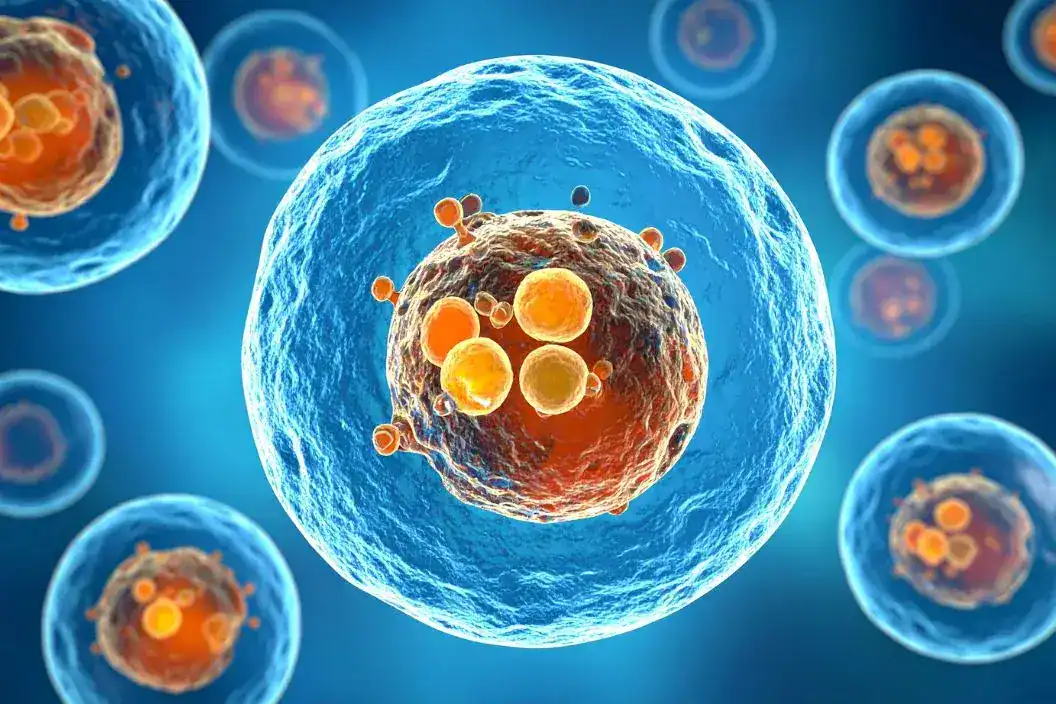
Stem cell therapy is a rapidly advancing approach within regenerative medicine, offering new potential for healing, repairing, and regenerating damaged tissues. By using specialized cells that can develop into different cell types, stem cell therapy may support research into diseases, injuries, and degenerative conditions that traditional medicine often struggles to address. As research continues to expand, stem cell therapies are shaping modern medicine, clinical applications, and future treatment possibilities for patients worldwide.
At its core, stem cell therapy involves using stem cells, unique cells capable of differentiation, self-renewal, and tissue repair. These cells may come from bone marrow, adipose tissue (fat), umbilical cord blood, placenta, embryos, or laboratory-created sources such as induced pluripotent stem cells (iPSCs). Scientists, researchers, and clinicians continue to study how these cells interact with genes, proteins, growth factors, and the immune system to support regeneration and healing. This article explores the science, history, biological mechanisms, types, benefits, risks, and ethical considerations of stem cell therapy to help readers make informed decisions.
History and Discovery of Stem Cells
The concept of stem cells dates back over a century. In the late 19th century, scientists observed that certain cells in the body could differentiate into multiple cell types, but it wasn’t until the 1960s that true stem cells were identified. Researchers Ernest McCulloch and James Till conducted pioneering experiments demonstrating that some bone marrow cells could self-renew and generate different blood cells.
Since then, the development of stem cell research has accelerated rapidly. The isolation of embryonic stem cells (ESCs) in 1998 and the discovery of induced pluripotent stem cells (iPSCs) in 2006 marked significant advancements, opening new possibilities in regenerative medicine. Today, research continues into the potential applications of stem cells for conditions such as heart disease, neurodegenerative disorders, and other chronic health challenges.
Definitions: Autologous vs Allogeneic Stem Cells
Stem cell therapies are generally classified based on the source of the cells:
- Autologous stem cells are derived from the patient’s own body. For example, bone marrow or adipose tissue can be harvested, processed, and reintroduced in the same treatment procedure. One potential advantage is a lower risk of immune rejection, which may be beneficial in certain applications.
- Allogeneic stem cells come from a donor, either related or unrelated. While these cells can provide a larger supply for treatment, they may carry a risk of immune reaction and sometimes require immunosuppressant medications. Researchers continue to study methods to reduce these risks in clinical applications.
Understanding this distinction is crucial when evaluating stem cell treatment options.
Mechanism of Action
Stem cells have several biological mechanisms that are being studied for their potential applications in regenerative medicine:
1. Differentiation: Stem cells may transform into specific cell types under certain conditions.
2. Paracrine signaling: They can release growth factors, proteins, and cytokines that researchers are investigating for their effects on surrounding cells.
3. Immunomodulation: Certain stem cells, like mesenchymal stem cells (MSCs), may influence inflammation and immune responses in experimental studies.
These mechanisms are the focus of ongoing research and may inform future regenerative medicine approaches, though their effects in humans are still under study.
Stem Cells vs Cell Therapy vs Regenerative Medicine
These terms are related but not interchangeable:
- Stem cell therapy: Uses stem cells in research and clinical studies to explore their potential role in supporting tissue regeneration.
- Cell therapy: Broader category, including any therapy using live cells (e.g., immune cells for cancer).
- Regenerative medicine: An umbrella field that explores ways to support tissue repair and function, often using stem cells, growth factors, or engineered tissues.
Stem cell therapy is a subset of regenerative medicine and is often the most recognized due to its potential applications being widely studied.
Types of Stem Cells (ESCs, adult, iPSCs, MSCs)
Stem cells are classified based on their source and potency:
- Embryonic Stem Cells (ESCs): Derived from an early-stage embryo, ESCs can become any cell type in the body (totipotent). They offer great potential but are associated with ethical and regulatory considerations.
- Adult Stem Cells: Found in tissues like bone marrow, fat, and the placenta, these cells are multipotent and typically differentiate into cell types of their tissue of origin.
- Induced Pluripotent Stem Cells (iPSCs): Adult cells that have been reprogrammed to behave like embryonic stem cells. iPSCs are pluripotent and are being studied as an alternative to ESCs, which may help mitigate certain ethical concerns.
- Mesenchymal Stem Cells (MSCs): A type of adult stem cell, MSCs (pluripotent) can differentiate into bone, cartilage, or fat cells. Researchers are studying their immunomodulatory properties and potential applications in regenerative medicine.
Each type has unique characteristics and limitations, and researchers continue to study their potential applications, reflecting ongoing developments in stem cell biology.
How Stem Cell Therapy Works Biologically
The process generally involves several steps:
- Harvesting: Cells are collected from sources like bone marrow, fat tissue, or umbilical cord blood.
- Processing: Stem cells are isolated and minimally manipulated in a laboratory to obtain sufficient numbers.
- Delivery: The cells are reintroduced to the patient, either intravenously or into the target tissue.
- Integration and Repair: Researchers are studying how stem cells may interact with tissues, differentiate, and influence biological signals.
This process is the focus of ongoing research into potential applications of stem cell therapy.
Current Research and Innovations
Stem cell research is one of the fastest-evolving areas in medicine. Current innovations include:
- 3D bioprinting and organoids: Using stem cells to create miniature organs or tissue models for research and potential transplantation.
- Gene-edited stem cells: CRISPR technology allows scientists to modify genes to study corrections or improve regenerative properties in experimental settings.
- Personalized regenerative medicine: iPSCs derived from a patient’s own cells are being explored for individualized approaches.
- Clinical trials: Ongoing studies provide valuable data on safety, mechanisms, and potential applications.
These developments highlight the ongoing research exploring the possibilities of stem cell therapy, though their effectiveness in treating conditions remains under study.

Benefits of Stem Cell Therapy
Stem cell therapy is being studied for several potential applications:
- Tissue regeneration: Researchers are investigating whether stem cells may support tissue repair in organs or joints.
- Reduced inflammation: MSCs are being studied for their potential to influence the immune system and inflammation in experimental settings.
- Minimally invasive options: Many therapies are delivered via injections rather than surgery, which is currently under research.
- Personalized treatment: Autologous stem cells are being explored to reduce the risk of immune rejection in investigational studies.
While research is ongoing and results vary depending on cell type and application, these areas continue to be actively studied for their potential in regenerative medicine.
Regulatory and Ethical Considerations
Stem cell therapy is closely monitored due to ethics and safety concerns:
- Ethical considerations: The use of embryonic stem cells raises moral debates regarding the source of the cells.
- Regulatory oversight: Agencies like the FDA regulate approved stem cell treatments to ensure safety and efficacy.
- Unproven treatments: Patients should be cautious of clinics offering unverified therapies, especially internationally.
Compliance with ethical and legal standards is essential to protect patients and maintain scientific integrity.
Conditions Being Studied for Potential Applications of Stem Cell Therapy
Stem cell therapy is being investigated for a variety of medical conditions, including:
- Leukemia and myeloma (blood cancers) FDA approved and covered under insurance
- Osteoarthritis and joint pain (musculoskeletal conditions)
- Cardiovascular diseases (e.g., heart muscle regeneration)
- Neurological disorders (e.g., spinal cord injury, Parkinson’s disease)
- Autoimmune diseases (e.g., multiple sclerosis)
For more information, visit our Conditions We Treat page for detailed guides on specific diseases and therapies.
Risks and Considerations
While stem cell therapy is being studied for potential applications, it carries possible risks:
-
Immune reactions: Especially with allogeneic (donor) cells.
-
Infection: Possible at the injection site.
-
Tumor formation: Rare, mainly associated with embryonic totipotent cells in experimental studies.
-
Unproven treatments: Patients should be cautious of therapies offered by unregulated clinics.
Conclusion
Stem cell therapy is a rapidly evolving area of modern medicine, combining scientific research with the study of the body’s natural regenerative processes. This explainer has outlined the history, mechanisms, types, current research, ethical considerations, and potential applications of stem cell therapy, helping readers make informed decisions. As research continues, investigators are exploring how stem cells may contribute to future approaches in healthcare.
Get Started with Stem Cell Therapy in Las Vegas
If you are interested in learning more about stem cell therapy for chronic pain, joint injuries, or other orthopedic concerns, Dynamic Stem Cell Therapy in Las Vegas can provide guidance. Our experienced team will answer your questions, review current research, and help you understand whether stem cell therapy may be a potential option for you.
To explore the possibilities and discuss your questions, use our contact form or call our clinic today to schedule a consultation.
Frequently Asked Questions
Does stem cell therapy work for bones and joints?
Stem cell therapy is being explored for potential applications in bone, cartilage, and joint health. Ongoing clinical research is investigating whether stem cells may support tissue repair or influence function in these areas.
Are there risks involved?
Like any medical procedure, stem cell therapy carries potential risks, including immune reactions or unintended cell behavior. These therapies should only be administered under qualified clinical supervision.
Is stem cell therapy part of standard medical care?
Some stem cell treatments, such as bone marrow transplants, are established medical procedures. Many other applications remain under research or are only available in clinical trials.
How does stem cell therapy work?
Stem cell therapy involves introducing stem cells into the body. Researchers are studying how these cells may differentiate, release proteins, and interact with the immune system. The effects on tissue repair and regeneration are still being investigated.
Why is stem cell therapy considered an advancement in medicine?
It represents a shift toward research on restoring or supporting tissue function rather than only managing symptoms, offering potential new avenues for treatment under study.
Have there been major breakthroughs in stem cell therapy?
Yes, research has improved understanding of stem cell biology and led to the development of therapies in specific areas, such as blood-forming cell transplants. Other applications are still under investigation.
What are the possible effects of stem cell treatment?
Potential effects are being studied and may include changes in inflammation, tissue function, or repair processes. Outcomes depend on cell type, treatment approach, and ongoing research.
What role do hematopoietic stem cells play in treatment?
They are used in bone marrow transplant procedures to replace blood-forming cells and support treatment of certain cancers. This is an FDA-approved application.
Can stem cell therapy help with nerve-related conditions?
Researchers are exploring its potential applications for nerve cells and eye conditions, such as macular degeneration, but these uses are still investigational.
Why is stem cell therapy important for patients?
Stem cell therapy is an area of active research that may offer future options for addressing the underlying causes of certain diseases or injuries. Its effectiveness is still being evaluated in clinical studies.